LOADING IMAGES

Description
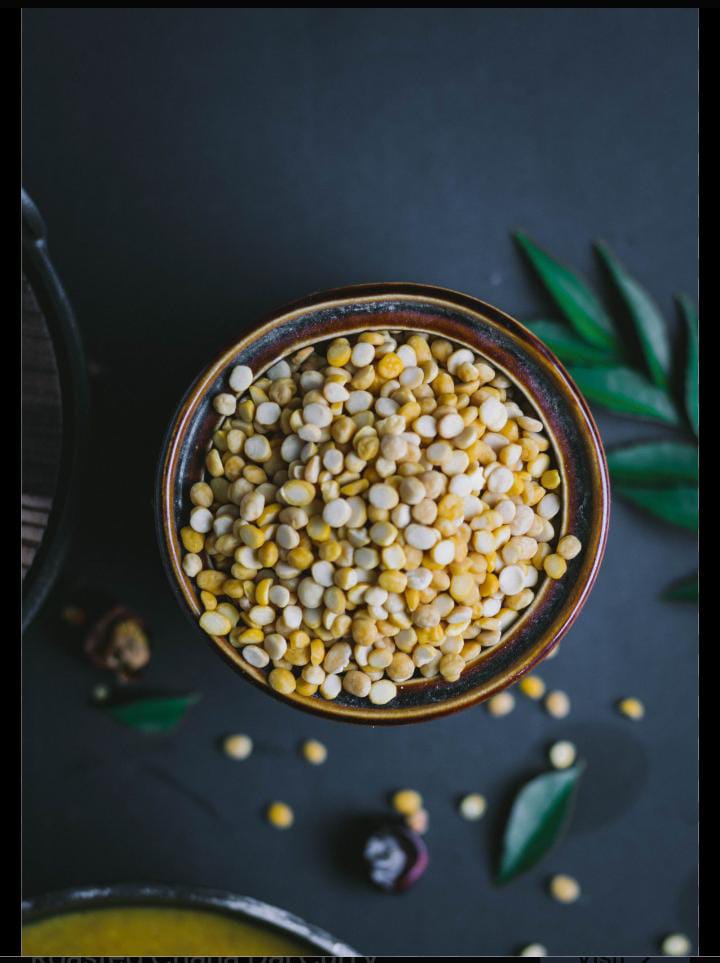
Description Origin: It is made from the kernel of the desi chickpea (also known as Bengal gram), which is a smaller, darker variety of chickpea. Form: The whole chickpea is hulled (skinned) and then split into two halves, which is what forms the lentil known as chana dal. Appearance: It is typically a small, yellow, lens-shaped lentil. Flavor Profile: Chana dal has a distinct nutty, earthy, and slightly sweet flavor. Texture: When cooked, it has a hearty, firm texture, often holding its shape better than other split lentils, which gives a nice "bite" to dishes. 🍽️ Culinary Uses Chana dal is a staple and is used in a wide variety of ways: Dal/Curry: It is most famously cooked into a thick, flavorful lentil soup (called dal or dahl) that is often seasoned with spices and served with rice or flatbreads like roti. Snacks/Fritters: It is soaked, ground, and spiced to make savory fritters like Dal Vada or added to spice blends like podis. Flour: When ground into a fine powder, it becomes Besan (chickpea flour), which is used to make batters for fried snacks (pakoras), pancakes (chillas), and sweets (ladoos). Sweet Dishes: It can be used in stuffing for sweet flatbreads like Puran Poli. Chutneys: It is often roasted and used as a thickening agent in South Indian chutneys. Nutritional Highlights Chana dal is highly nutritious and considered a healthy comfort food: Protein: It is an excellent source of plant-based protein, making it a valuable food for vegetarians and vegans. Fiber: It is rich in dietary fiber, which supports digestive health and helps manage blood sugar levels. Micronutrients: It contains essential nutrients like iron, folate, magnesium, and zinc.