LOADING IMAGES
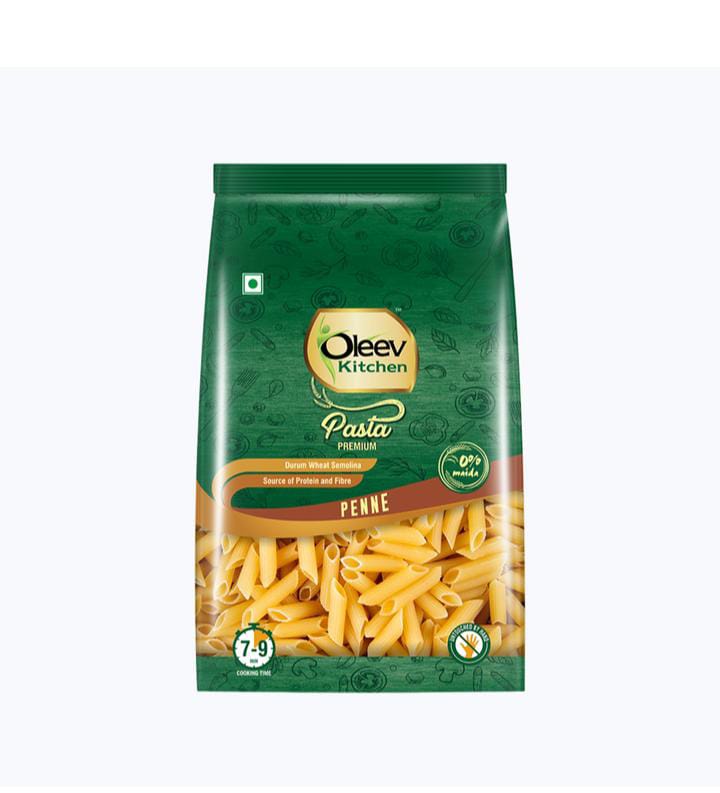
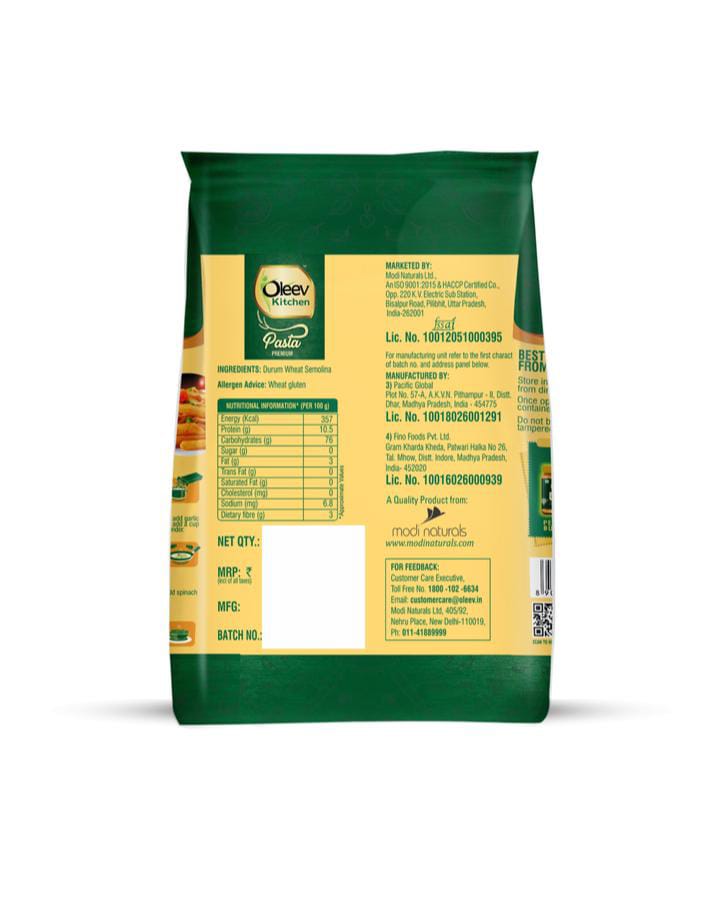

Description
Penne is one of the most recognizable and widely used short-cut pasta shapes in the world, originating in Italy. Its name, penne, is the plural form of the Italian word penna, meaning "quill" or "pen," a direct reference to its shape. ✒️ Key Characteristics Shape: Penne is characterized by its short, tubular or cylindrical shape with ends that are cut diagonally at an angle (like the tip of a quill pen). The length typically ranges from 1.5 to 2 inches (3 to 5 cm). Hollow Center: The tube shape features a hollow center, which is excellent for collecting and holding sauces inside. Ingredients: Like most Italian pasta, it's traditionally made from durum wheat semolina and water. Types: Penne comes in two main variants, each suited for different sauces: Penne Rigate: The most common variety, featuring distinct ridges on the outer surface. These ridges help the pasta cling to thicker, chunkier sauces. Penne Lisce: Features a smooth outer surface. It is often preferred for lighter, more delicate sauces. 🍽️ Culinary Usage Penne is prized for its versatility and its ability to pair well with almost any type of sauce. Hearty and Chunky Sauces: The ridges and hollow center make it ideal for capturing heavy, meat-based sauces (ragù), thick tomato sauces (like Penne all'Arrabbiata), and robust vegetable sauces. Cream and Oil-Based Sauces: It holds up beautifully in creamy sauces (like Penne alla Vodka) and oily sauces (like pesto). Baked Dishes: Its sturdy, cylindrical shape prevents it from collapsing during cooking, making it an excellent choice for casseroles and baked pasta dishes (like Baked Penne or Pastitsio). Pasta Salads: Its robustness and size make it a favorite for cold pasta salads, where it mixes well with various ingredients and dressings