LOADING IMAGES

Description
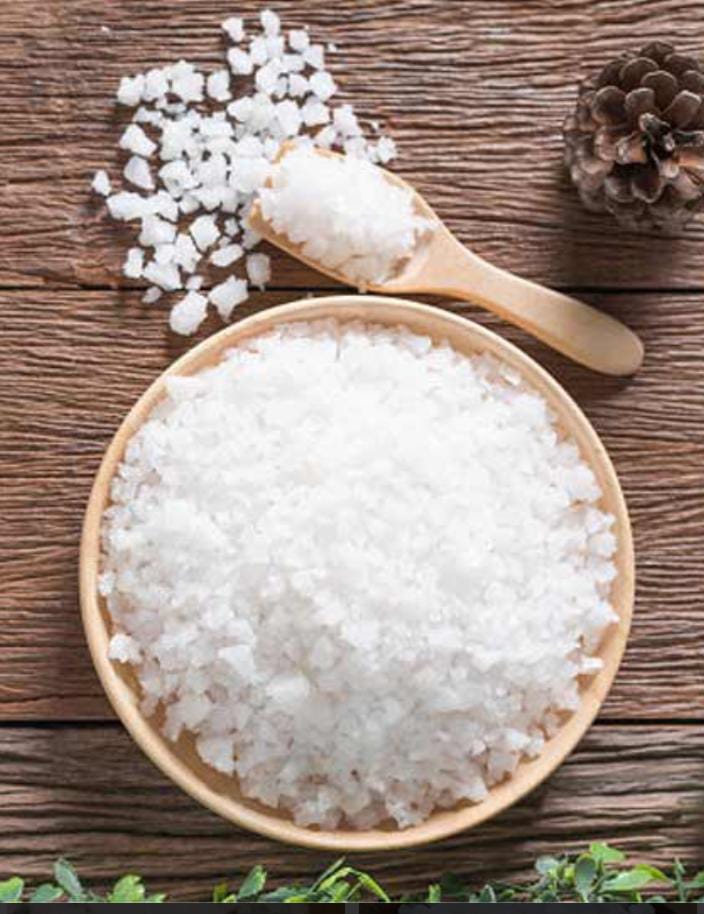
✅ Rock salt, scientifically known as the mineral halite (chemical formula NaCl), is the naturally occurring, unrefined mineral form of sodium chloride. It's essentially the same chemical compound as table salt but in a different, coarser form, often with impurities. 💎 Key Characteristics and Formation Chemical Composition: Primarily Sodium Chloride (NaCl). Rock salt usually contains between 90% and 98% NaCl, with the remainder consisting of trace minerals and impurities. Mineral Name: Halite. Crystal System: Forms isometric (cubic) crystals. When broken, it exhibits perfect cubic cleavage, which is why table salt (refined halite) consists of tiny cubes. Color and Appearance: Pure halite is typically colorless or white, with a glassy (vitreous) luster. However, impurities often give rock salt various colors, such as pink, red, orange, blue, or grey. For example, the pink color of Himalayan salt is due to trace amounts of iron oxide. Hardness: Very soft, with a Mohs hardness of 2 to 2.5. It can be easily scratched with a fingernail or metal. Taste: Salty (its most distinctive characteristic). Formation: Rock salt is a sedimentary evaporite mineral. It forms when large bodies of saltwater, such as ancient inland seas or enclosed lakes, slowly evaporate, leaving behind massive beds of salt deposits . These salt beds can be hundreds of meters thick and are mined from underground deposits or surface mines. 🧊 Common Uses The primary uses of rock salt are industrial and commercial, although some varieties are used for consumption: Road De-icing: Its largest single use is for de-icing roads in cold climates. Salt lowers the freezing point of water, helping to melt snow and ice. Chemical Production: It serves as a feedstock for the production of essential industrial chemicals like chlorine and caustic soda (sodium hydroxide). Water Softening: Used in water softeners to remove calcium and magnesium ions from hard water. Culinary Use: Less refined varieties, often containing trace minerals (like Himalayan pink salt or Sendha Namak in India), are used in cooking, seasoning, and food preservation. Due to its large, coarse crystals, it's not often used as a direct substitute for fine table salt. Decorative/Therapeutic: Large blocks are used for decorative lamps (salt lamps) and in some spa treatments.